Step-by-Step Guide to Auto Body Repairs for Your Vehicle
Step-by-Step Guide to Auto Body Repairs for Your Vehicle
Blog Article
Road accidents can be a distressing part of driving, often leading to extensive damage to vehicles. Collision repair refers to a broad spectrum of services aimed at refurbishing damaged cars back to their original appearance and functionality. From small dents to extensive frame repairs, it's crucial for vehicle owners to understand the specifics of collision repair. The expertise applied during the repair process can greatly influence your vehicle's overall performance and safety features. Should you require assistance, an auto body repair shop with a strong reputation can provide the vital repair services necessary for your vehicle’s restoration. For details regarding collision repair options in Houston, seek out specialized services tailored to the specific requirements of your car their website. Collision repair is an exhaustive process that typically involves several stages, adjusting based on the severity of the damage incurred. When a vehicle is in an accident, various elements may be compromised such as the body structure, the paint finish, and mechanical systems. The principal aim of collision repair is to restore the vehicle to its original factory condition. The first step taken by the auto body shop is a thorough evaluation of the vehicle to detect all damaged areas. This inspection is crucial as it includes assessing hidden damages that may not be easily noticeable. Upon completing the assessment, a detailed repair estimate will be provided, highlighting what repairs are necessary along with their associated costs. Services generally offered include frame straightening, panel replacement, painting, and refinishing. Each of these steps is critical to ensuring that the vehicle not only looks immaculate but also retains its structural soundness, ensuring safety on the road. The techniques used in collision repair can vary widely, depending on the type of damage encountered. For minor scratches and dents, methods such as paintless dent repair may be applied, which avoids the need for repainting. This non-invasive technique helps maintain the original paint on the vehicle. In instances of more serious damage, conventional repair techniques often include the extraction of damaged components and their replacement with either new or refurbished parts. This process guarantees that the vehicle regains a condition that closely mirrors its original factory state. After the repairs are undertaken, processes such as sanding and repainting are performed to create a perfectly smooth finish. Employing modern tools and technology is crucial throughout this process, especially in the realm of auto body collision repair. The use of laser precision measurements and computerized paint matching plays a significant role in enhancing overall quality and precision, ultimately resulting in a superior outcome. Finding a reliable collision repair shop doesn’t have to be overwhelming, especially when you focus on a few essential aspects. To begin with, look into auto body shops that hold certifications, as these credentials often reflect a commitment to maintaining quality standards in their services. Additionally, take the time to read through customer feedback and testimonials; this firsthand information can reveal a lot about the level of service and satisfaction experienced by previous clients. Moreover, be sure to inquire about any warranties the shop provides. A trustworthy collision repair center typically backs its work with warranties covering both parts and labor, giving you reassurance that you’re covered should any problems arise post-repair. Lastly, it’s a good idea to find out about the materials used during the repair process, as high-quality components are crucial for ensuring the durability and safety of the repairs performed. After experiencing an accident, grasping the financial implications of collision repairs is key to managing your expenses. The costs can significantly differ depending on various elements, including the damage’s extent and the repair methods required. For simple cosmetic fixes, the price tag may fall anywhere between a few hundred to a thousand dollars. On the other hand, severe damage, especially affecting structural elements, can result in costs reaching several thousand dollars. To get a clear picture of the expenses involved, securing quotes from different auto body repair facilities is essential. This not only helps you compare prices but also gives insights into the specific services offered. Opting for the least expensive option might not always serve your best interests, as it can potentially compromise the quality of the repair work. It’s advisable to select shops that emphasize customer service and provide warranties rather than just focusing on cost. For a deeper understanding, check out resources like the automobile repair segment on Wikipedia, which presents thorough details regarding diverse vehicle repair types. Being prepared can significantly enhance your experience with collision repairs. Take these tips into account.Delving into Collision Repair Fundamentals
Popular Techniques in Collision Repair
Choosing the Right Collision Repair Shop: Key Factors
The Cost of Collision Repair: What to Expect
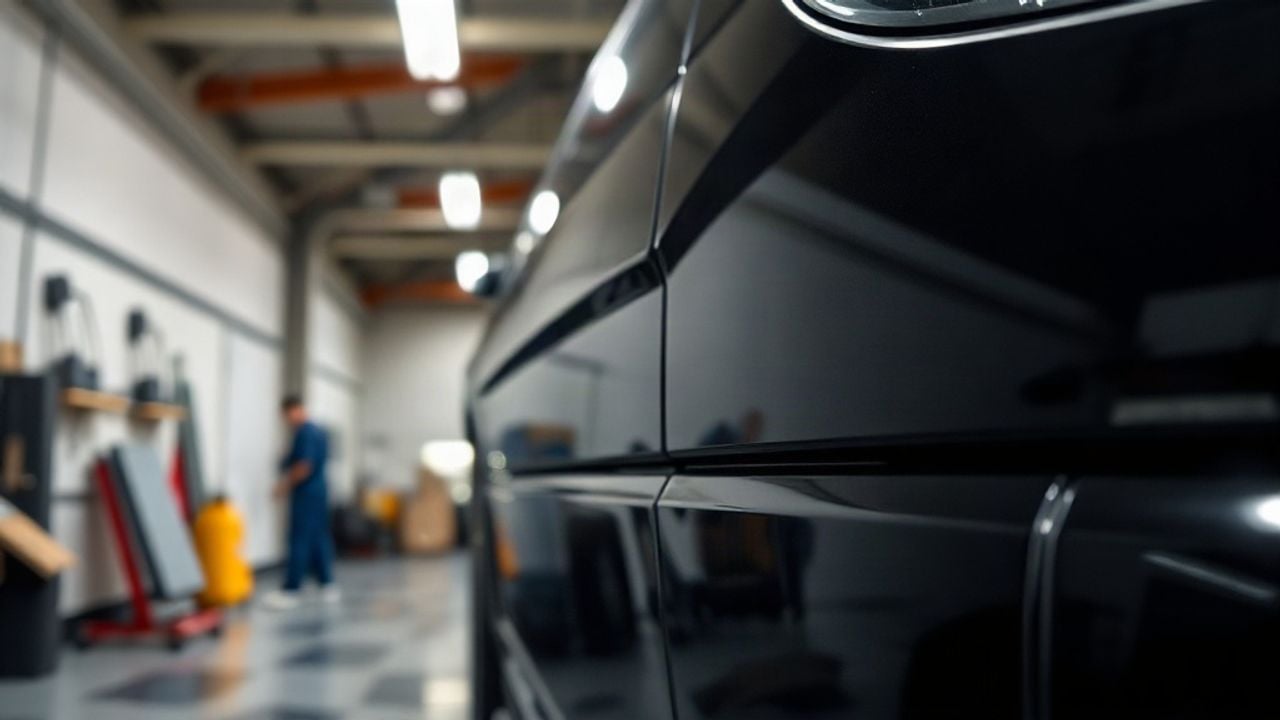 auto body shopcollision repair
Tips for a Smooth Collision Repair Experience
collision repair
Frequently asked questions
What is collision repair?
Collision repair refers to the processes involved in restoring a vehicle after it has been damaged in an accident. This can include fixing the body, frame, and mechanical systems as well as repainting and detailing the car.
How do I choose a collision repair provider?
Selecting a collision repair shop involves checking for certifications, reading customer reviews, inquiring about warranties, and comparing estimates from multiple shops to ensure you get quality service.
How much does collision repair cost?
The cost of collision repair can range significantly based on the damage’s severity. Minor repairs might cost a few hundred dollars, while extensive repairs could exceed several thousand. Getting multiple estimates helps to gauge the range of repair costs.
What are common types of collision repairs?
Common repair types include frame repairs, panel replacement, paintless dent repair, scratch repair, and full vehicle refinishing. The type needed depends on the severity of the collision damage.
Do all collision repair shops offer warranties?
Not all collision repair shops provide warranties, so it's crucial to ask before authorizing repairs. Reputable shops typically back their work with warranties on both parts and labor.
The importance of collision repair cannot be overstated; it plays a key role in maintaining both the safety and appearance of your vehicle. Gaining knowledge about the repair procedure, associated costs, and selecting a reliable service provider can significantly improve your experience following an accident. Emphasizing quality is essential for ensuring your vehicle's continued safety on the road.
By focusing on meticulous care throughout the repair process, your vehicle can be effectively restored, allowing you to drive again with confidence. It’s crucial to make well-informed decisions and seek advice from trusted auto body shops for optimal outcomes.